Rust solo survival versus clan raiding as shown by Oilrats' will to thrive
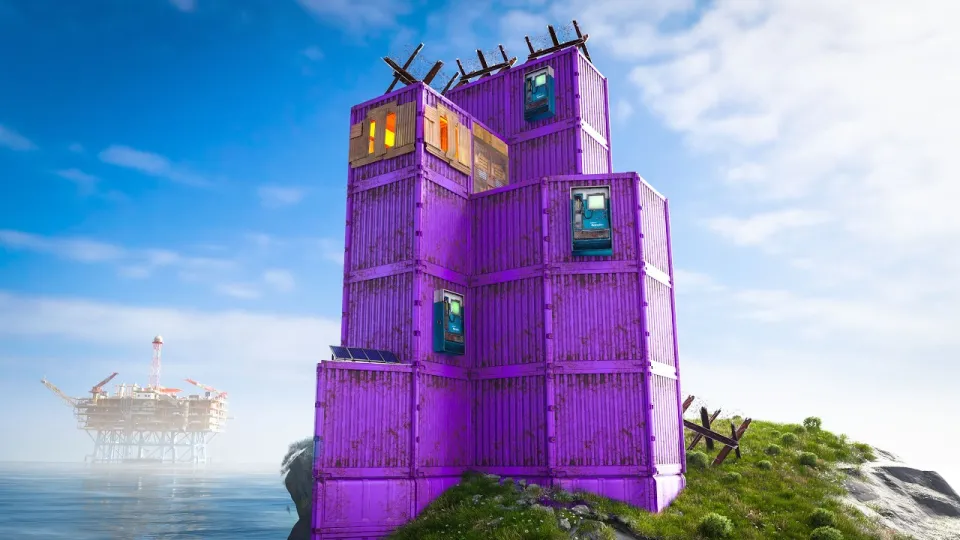
Video: A Solo's Will to Thrive V5 - Rust
Want articles like this for your own video to promote it on YouTube and Google? Order them through the Telegram bot @sat_sit_bot. The bot writes and publishes the articles itself (with your YouTube video embedded) on popular topical websites (no ads). Try it free: 50 articles on us.
· based on the channel Oilrats
Key takeaways
- Rust is a survival sandbox where a solo player faces clans of six or more on the same wipe.
- Oilrats' solo run opens with the classic 2x1 starter base before pushing toward Large Oil Rig loot.
- A six-player raid squad with two M2s and a dedicated rocket PvPer still failed to break the solo base.
- Solo survival depends on bunker design, silent farming routes and knowing when to fight.
- The episode is edited by purpluu and mammoth, with the V5 entry published on the Oilrats channel.
Rust rewards the player who treats survival as a schedule rather than a brawl, and the solo route is the purest version of that rule: one player, one wipe, no clan to cover a mistake. The formula that works is boring on paper and brutal in practice — a cheap 2x1 starter, a hidden bunker, fast loot runs to Large Oil Rig and a willingness to defend instead of negotiate. If you want the same gear the creator in this breakdown uses, the Oilrats mousepad drop is available at the EpicDesk product page.
Rust has no matchmaking and no mercy for a lone player, so every decision compounds: where you build, what you farm first, and whether you log off with your sulfur or gamble it on a raid.
What Rust solo survival actually means on a wipeday
Rust solo survival is the practice of building, farming and fighting on a server where every group outnumbers you, which makes information and timing more valuable than raw aim. A wipeday start compresses that into hours: the first base goes down while neighbours are still gathering wood, and the first gunfight usually decides who owns the surrounding grid.
A working solo wipe follows a rough order:
- Drop a 2x1 with a small stash and an airlock before the first night.
- Farm stone and metal in short loops that stay inside your own grid.
- Push monuments for components only after you have somewhere to lose them.
- Trade up to a tier-two weapon before contesting any oil rig.
- Keep a second, smaller base or a bunker stash so one raid does not end the wipe.
The recurring joke among viewers is that the starter base never changes, and that is the point — a 2x1 costs almost nothing, hides easily and can be replaced in minutes. Clans build palaces and paint targets on them; solos build disposable boxes and stay invisible.
Base design and the 2x1 bunker that keeps a solo alive
A solo base in Rust is a decoy first and a home second, so the design priority is making a raid cost more than the loot inside. The 2x1 with a bunker does exactly that: the footprint is small enough to tuck between rocks or behind a clan's outer wall, and the bunker hides the good loot behind a sealed entrance that a raider has to spend explosives to open.
Practical rules that hold up across wipes:
- Keep the main loot in the bunker and leave junk in the visible boxes.
- Split sulfur, guns and components across at least two locations.
- Build away from the busiest road and never on a straight line to a monument.
- Use sheet metal doors on the outside and armoured inside, not the reverse.
- Upgrade walls only after you have something worth protecting.
Neighbours notice a quiet player fast, and the best outcome is being underestimated — a small base that looks empty is safer than a compound that looks rich.
Large Oil Rig runs and why solos still go there
Large Oil Rig is the highest-value monument a solo can realistically clear, and it is also the fastest way to turn a quiet wipe into a war. The rig offers military crates, elite scientists and a locked crate that can hand out tier-three gear, which is exactly the power spike a lone player needs to compete with groups.
The run itself is a sequence, not a sprint:
- Approach by boat at an angle that keeps you off the main ladder sightline.
- Clear scientists from the top down so you never fight uphill.
- Loot the crate room last and leave the same way you came.
- Bank the loot before you get greedy — a second rig trip is optional, a lost inventory is not.
Every rig trip is a broadcast: boats, gunfire and the crate timer all tell nearby groups that someone is farming. That is why experienced solos treat the rig as a timed job with an exit plan already chosen.
Defending a solo base against a six-man raid
The most instructive part of any solo survival story is the defence, because it shows how much a small base can absorb when the owner knows the layout better than the attackers. A six-player squad arriving with two M2s and a dedicated rocket PvPer is the worst-case scenario, and the counter is not better gear — it is positioning, sound and patience.
What actually wins those fights:
- Peek from angles the raiders have not checked, then rotate before they re-peek.
- Use the rocket noise to mask your own movement and reloads.
- Never fight in the same doorway twice; the second peek is the one that kills you.
- Target the player holding explosives first, since the raid dies without rockets.
- Accept losing a wall if it buys a flank.
Viewers watching that sequence tend to land on the same conclusion: rocket PvP against a single defender is a poor look for a clan, and a defender who keeps calm can turn a raid into an expensive embarrassment.
Common questions and doubts about solo Rust
Most doubts around solo Rust come from the same few worries, and each has a practical answer. Groups are not unbeatable, they are just expensive to fight — the goal is to make them spend more than they earn.
- Is solo Rust viable on a full pop server? Yes, but only with a hidden base and short farming loops; visibility is the real threat.
- Should a solo join a clan? Only if the goal is monument control rather than independence, since clan play removes the survival tension that makes solo runs interesting.
- How much time does a wipe need? A competitive solo start needs a few focused hours on wipeday, then short maintenance sessions.
- When should you fight a raid? When you have the base advantage and the attackers are committed; running early is better than dying with the loot.
The editing matters as much as the gameplay here, and viewers repeatedly single out the transition work and the underwater audio treatment as the reason a long session stays watchable.
Useful links
- Oilrats mousepad drop on EpicDesk
- Oilrats on Twitch
- Oilrats on TikTok
- Oilrats Discord
- Oilrats on Twitter
The takeaway for anyone trying solo Rust
Solo Rust is a discipline problem before it is an aim problem, and the run covered by the Oilrats channel shows why: a cheap 2x1, a bunker stash and a patient rig schedule can survive a six-man raid squad. The defender wins by knowing the base, moving on sound and refusing to fight the same angle twice. Groups bring numbers and explosives, but numbers do not fix a bad peek. If you want to support the creator behind this breakdown, grab the Oilrats mousepad from EpicDesk and catch the next solo episode on the channel.
Questions & answers
Is solo Rust actually playable against clans?
Yes, but the win condition is different. A solo player survives by hiding loot in a bunker, farming in short loops and picking fights only when the terrain or the base layout favours them, rather than by outgunning groups.
Why do solos still run Large Oil Rig when it attracts attention?
Large Oil Rig is one of the few monuments that can give a lone player tier-three loot and elite crate value in a single trip. The risk is manageable if you clear from the top down, bank the loot quickly and change your approach angle.
What makes a 2x1 base better than a bigger solo build?
A 2x1 is cheap, fast to replace and easy to hide, and with a bunker it still protects the important loot. Bigger solo bases look valuable, which invites raids that a small, quiet base never attracts.
How does a solo defender beat a six-player raid?
By using knowledge of the base instead of numbers: peek from unchecked angles, rotate after every shot, target the player carrying explosives and let the attackers waste rockets on walls that buy you a flank.
Source: A Solo's Will to Thrive V5 - Rust · Markdown version